[REQ_ERR: 401] [KTrafficClient] Something is wrong. Enable debug mode to see the reason. Christian Lloyd – Page 2 – rhombrispe.com
Home Author
Author

Christian Lloyd

Advertising

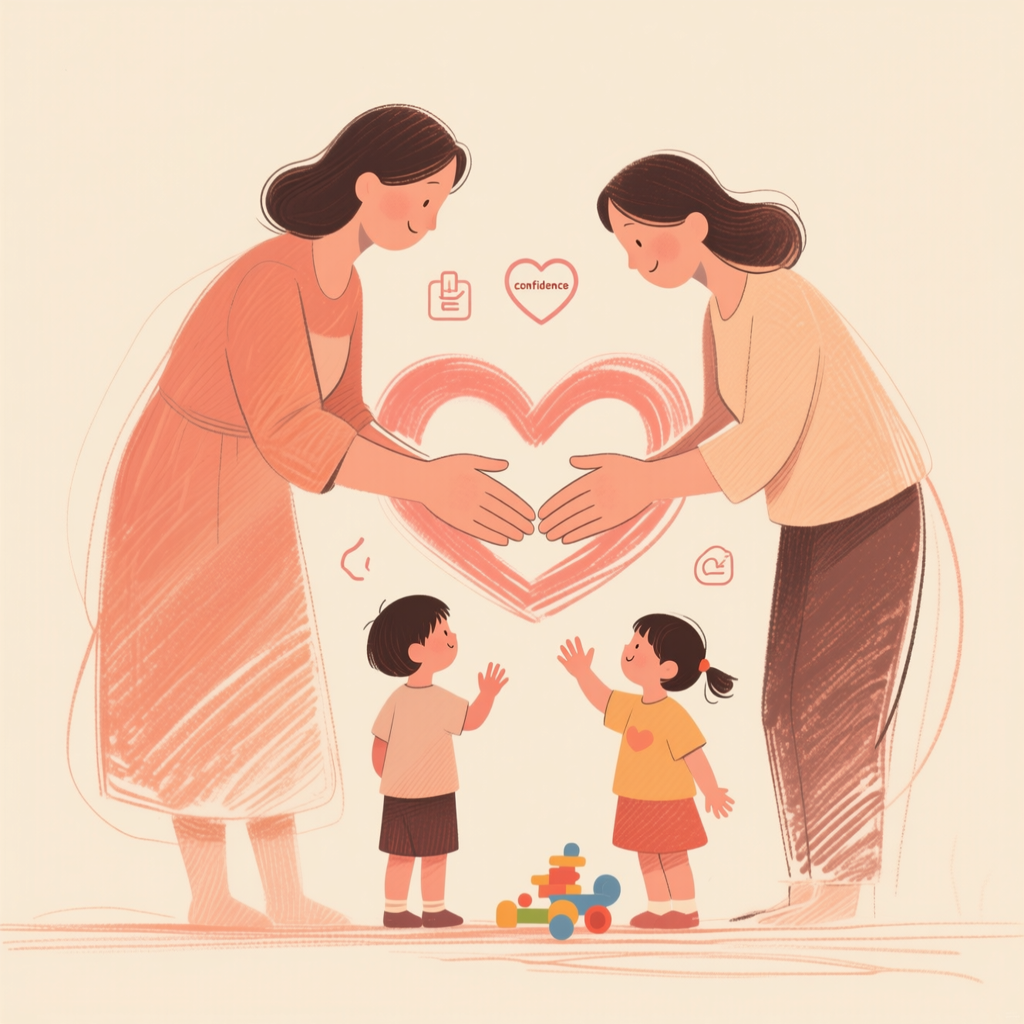
In 2024, a growing number of British parents are shifting away from traditional discipline methods and embracing positive parenting — an approach rooted in empathy, connection, and emotional coaching. Rather than relying on punishment or control, positive parenting focuses on guiding children with respect, consistency, and love. The goal? To raise confident, kind, and emotionally resilient kids who feel seen, heard, and capable.

Backed by child psychologists and organisations like the NHS and Parenting NI, this evidence-based style is gaining momentum across the UK. A 2023 survey by the Children’s Commissioner for England found that 61% of parents now prioritise emotional wellbeing over obedience, and 55% have sought resources on positive discipline techniques. With rising awareness of mental health and the long-term impact of early childhood experiences, parents are rethinking how they communicate, set boundaries, and nurture their children’s development.

So, what does positive parenting look like in everyday life — and how can it help raise confident, compassionate children?

1. Focus on Connection Before Correction

When a child misbehaves, the instinct is often to correct immediately. But positive parenting teaches that connection comes first. A simple hug, eye contact, or calm tone can de-escalate tension and open the door to learning.

For example, instead of saying, “Stop shouting — you’re being rude!” try: “I can see you’re upset. Let’s take a breath together, then you can tell me what’s wrong.” This validates emotions while still setting a boundary.

Research from the University of Cambridge shows that children who feel emotionally safe are more likely to develop self-regulation and empathy — key traits of both confidence and kindness.

2. Use Encouragement, Not Praise

There’s a subtle but powerful difference between praise (“You’re so smart!”) and encouragement (“I saw how hard you worked on that drawing”). Praise can create pressure to perform, while encouragement builds intrinsic motivation.

Phrases like:

  • “You didn’t give up — that’s perseverance.”
  • “You shared your toys. That was kind.”
  • “I noticed you helped your sister. That took courage.”

— help children see their actions as valuable, not just their outcomes. This fosters a growth mindset and strengthens self-worth.

3. Set Clear, Kind Boundaries

Positive parenting isn’t permissive — it’s firm and kind. Children thrive with structure, but it’s delivered with empathy. Instead of yelling or threats, use calm, consistent limits.

Try:
“I know you want to keep playing, but it’s bedtime. We can read a story, then lights out.”
This acknowledges feelings while maintaining the rule.

UK parenting expert Sarah Ockwell-Smith, author of The Gentle Parenting Book, advises: “Discipline means ‘to teach’, not ‘to punish’. When we respond with patience, we’re teaching emotional intelligence.”

4. Model the Behaviour You Want to See

Children learn more from what we do than what we say. If you want kind children, show kindness — in how you speak to your partner, treat service workers, or handle your own mistakes.

Apologise when you’re wrong: “I raised my voice earlier. That wasn’t kind. I’m sorry.” This teaches accountability and emotional honesty.

Similarly, speak positively about yourself. If children hear you say, “I can’t do this,” they internalise that mindset. Instead, say: “This is tricky, but I’ll keep trying.”

5. Teach Emotional Literacy Early

Help children name their feelings: “You look frustrated.” “Are you feeling left out?” Use books, charts, or games like “feelings bingo” to build emotional vocabulary.

The NHS’s Every Mind Matters campaign now includes resources for parents to support emotional development from age 2+. When children can identify emotions, they’re less likely to act out and more likely to ask for help.

Pages: 1 2

Advertising

In 2024, the average British adult spends over 6 hours a day on screens — from work laptops and smartphones to streaming services and social media. For many women, this constant digital connection has become a source of stress, sleep disruption, and emotional fatigue. The endless pings, notifications, and curated online personas are taking a toll on mental wellbeing. In response, a growing movement is embracing the digital detox — a conscious break from technology to reclaim focus, presence, and real-life joy.

Far from a complete rejection of modern tools, a digital detox is about balance. It’s about stepping back to reset habits, reduce mental clutter, and reconnect with the physical world — whether that’s through meaningful conversations, nature walks, or simply sitting in silence with a cup of tea. According to a 2023 report by the Mental Health Foundation, 54% of UK women have tried a digital detox, with 78% reporting improved mood, better sleep, and increased productivity as a result.

So, how do you unplug in a world that never stops online? Here’s how to design a realistic, effective digital detox — even if you work remotely or rely on your phone daily.

Why a Digital Detox Matters

Our brains weren’t built for constant stimulation. The rapid-fire nature of digital content — short videos, endless scrolling, instant messages — overloads the nervous system and fragments attention. This can lead to:

  • Mental fatigue and reduced focus
  • Increased anxiety and comparison (especially on social media)
  • Poor sleep due to blue light exposure
  • Diminished presence in real-life relationships

A digital detox gives your mind space to reset. It’s not about guilt or shame — it’s about self-awareness and intentional living.

How to Start Your Digital Detox (Without Going Off-Grid)

You don’t need to delete all your apps or move to a cabin in the woods. Small, sustainable changes can make a big difference.

1. Set Daily Screen-Free Windows

Choose one or two times to unplug:

  • First 30 minutes of the day – Avoid checking your phone upon waking. Instead, stretch, journal, or enjoy breakfast mindfully.
  • One hour before bed – Replace scrolling with reading, gentle music, or a skincare routine. Use this time to signal to your brain that it’s time to wind down.

A University of Oxford study found that participants who followed a pre-sleep digital curfew fell asleep 20 minutes faster and reported deeper rest.

2. Create Tech-Free Zones

Designate areas of your home as screen-free — such as the dining table, bedroom, or sofa. This encourages face-to-face conversations and reduces passive screen use. “We don’t allow phones at dinner,” says Emma Wright, a teacher and mother of two in Brighton. “It’s our time to talk, laugh, and just be.”

3. Declutter Your Phone

Reduce temptation by:

  • Turning off non-essential notifications
  • Removing addictive apps (e.g., social media, games) from your home screen
  • Using screen time tracking tools (iOS Screen Time or Digital Wellbeing on Android) to set daily limits

Try a “Sunday reset” — review your usage and adjust settings weekly.

4. Schedule a Weekly Digital Sabbath

Choose one day — or even half a day — to significantly reduce digital use. Use the time to:

  • Walk in a park or along the coast
  • Cook a meal from scratch
  • Write letters or draw
  • Visit friends without filming the moment

Many UK communities now host “unplugged” events — from forest yoga to analog book clubs — supporting this shift.

Pages: 1 2

Advertising

As the cost of international travel continues to rise and British women seek more sustainable, low-stress ways to recharge, the staycation is having a major moment in 2024. No longer just a backup plan, a UK weekend escape is now a sought-after experience — offering charm, nature, and relaxation without the hassle of airports or jet lag. From coastal cottages to countryside retreats, the UK is brimming with hidden gems perfect for a rejuvenating break.

According to VisitBritain, domestic tourism reached record levels in early 2024, with 68% of women citing “mental wellbeing” as their top reason for booking a short break. The best part? You don’t need to travel far to find tranquillity. Whether you’re craving sea air, forest walks, or a boutique town escape, these lesser-known destinations offer the perfect blend of comfort and adventure — all within a few hours’ drive or train ride from major UK cities.

1. Malham, North Yorkshire – A Dales Escape for Nature Lovers

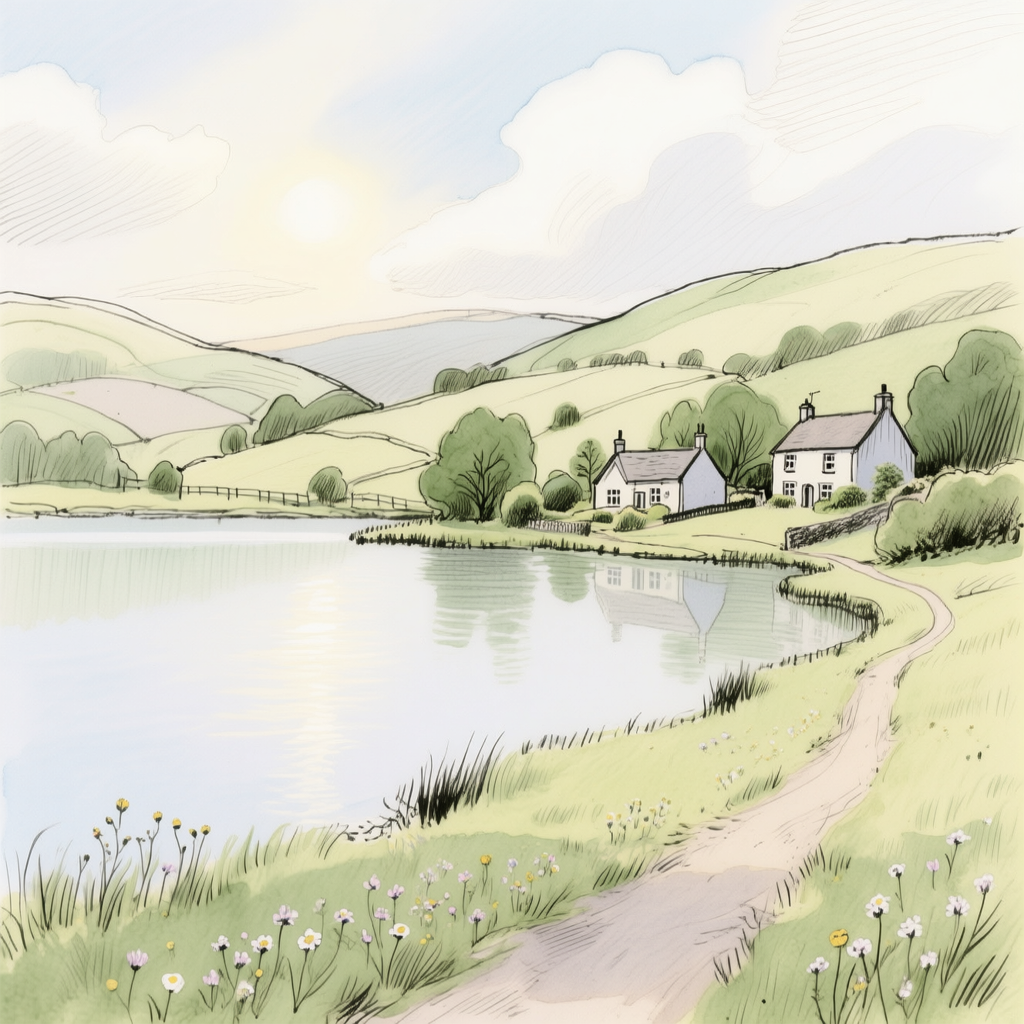
Tucked in the heart of the Yorkshire Dales, Malham is a picture-perfect village surrounded by limestone cliffs, rolling hills, and babbling streams. Famous for Malham Cove — a dramatic curved cliff formed by glacial meltwater — this area offers gentle walks, fresh country air, and quiet charm.

Stay in a converted stone cottage or a cosy B&B like Moor Lodge, which offers yoga sessions and locally sourced breakfasts. Hike to Gordale Scar for a waterfall framed by towering cliffs, or unwind at The Provenist, a wine bar with small plates made from regional produce. With no chain shops or crowds, Malham feels like stepping into a slower, simpler world.

Why go? Ideal for solo travellers, couples, or friends seeking peace and natural beauty. Train from Leeds takes under 1 hour.


2. Boscastle, Cornwall – Coastal Calm on the Wild Atlantic Coast

Forget St Ives and Padstow — Boscastle is Cornwall’s best-kept secret. This tiny fishing village, nestled in a deep green valley where two rivers meet the sea, is a haven of rugged cliffs, turquoise coves, and misty mornings. The absence of large hotels keeps it quiet and authentic.

Walk the South West Coast Path to Tintagel Castle, explore the charming harbour, or browse the independent art galleries and tea rooms. Stay at The Wellington Hotel, a family-run inn with sea views and a focus on sustainability. Visit the Boscastle Folk Museum to learn about local legends and shipwrecks — or simply sit on the quay with a pasty and watch the waves.

Why go? Perfect for romantic escapes or solo reflection. Accessible by train to Bodmin, then a scenic bus ride.


3. Ludlow, Shropshire – A Foodie Retreat in Historic Charm

Ludlow is a medieval market town that feels like a page from a storybook — cobbled streets, timber-framed buildings, and a 11th-century castle overlooking the River Teme. But beyond its beauty, Ludlow is a destination for food lovers.

Home to Michelin-starred Restaurant Pierre Koffmann and countless artisanal producers, the town hosts a renowned monthly farmers’ market. Stay at The Ludlow Hotel, a stylish boutique property with a spa and seasonal tasting menu. Take a morning walk through Ludlow Common, then explore independent bookshops and craft stores.

Why go? Great for couples or friends who love good food and culture. Just 2.5 hours by train from London.


4. Isle of Gigha, Scotland – Remote Island Serenity

For those seeking true escape, the Isle of Gigha (pronounced “Gee-ah”) in the Inner Hebrides offers breathtaking isolation. Accessible by a 10-minute ferry from Tayinloan, this small island is home to just 150 residents, miles of walking trails, and some of the clearest skies in the UK — perfect for stargazing.

Stay in a self-catering bothy or book a room at The Boathouse, which serves seafood caught the same day. Cycle the quiet roads, visit the Achamore Gardens, or kayak along the coast. The island is owned by the community, and tourism supports local jobs and conservation.

Why go? Ideal for adventurous souls wanting peace and natural beauty. A scenic 3-hour drive from Glasgow, then a short ferry.


Pages: 1 2

Advertising

In 2024, a quiet revolution is unfolding across the UK — one cup of tea, one mindful walk, one unstructured afternoon at a time. As digital overload, rising living costs, and constant connectivity take their toll, more British women are turning to slow living as a powerful antidote to modern stress. Far from a retreat from ambition, slow living is about intentionality: doing fewer things, but doing them with greater presence, purpose, and joy.

Rooted in the Slow Movement that began with food and has since expanded into lifestyle, this philosophy encourages us to step off the treadmill of productivity and reconnect with what truly matters — relationships, nature, creativity, and self-awareness. It’s not about doing everything slowly, but about choosing when to slow down, creating space for clarity, calm, and contentment.

According to a 2023 YouGov survey, 56% of UK women aged 25–45 feel overwhelmed by the pace of daily life, and 48% actively seek ways to simplify their routines. From decluttering homes to reducing screen time and embracing seasonal rhythms, slow living is becoming a mainstream response to burnout and digital fatigue.

What Does Slow Living Look Like?

Slow living isn’t a one-size-fits-all lifestyle — it’s deeply personal. For some, it means waking up 30 minutes earlier to enjoy breakfast without rushing. For others, it’s saying no to social events that drain energy, or choosing to walk instead of drive, simply to notice the changing seasons in their local park.

In cities like Bristol, Edinburgh, and Bath, community-led initiatives are flourishing: slow reading groups, mindful knitting circles, and “digital detox” weekends. Even brands are responding — Waitrose now highlights seasonal, locally sourced produce with “slow food” labels, while National Trust gardens report a 20% rise in visitors seeking peaceful, nature-based experiences.

Practical Ways to Embrace Slow Living in Daily Life

1. Start Your Morning with Presence

Instead of grabbing your phone, try a slow morning ritual:

  • Brew a proper cup of tea or coffee
  • Step outside for fresh air, even for 60 seconds
  • Write down one thing you’re grateful for
    This small act sets a calm tone for the day and reduces reactive thinking.

2. Practice Single-Tasking

Multitasking is a myth that exhausts the brain. Focus on one thing at a time — whether it’s eating lunch, replying to emails, or playing with your child. You’ll be more efficient and more present.

3. Simplify Your Schedule

Over-scheduling leaves no room for spontaneity or rest. Use a weekly planner to block out not just work tasks, but also downtime. Leave gaps. As author Anna Barnes writes in her 2024 bestseller The Space Between, “Empty time is not wasted time — it’s where creativity and healing happen.”

4. Cook and Eat Mindfully

Choose one meal a week to prepare slowly — perhaps a Sunday roast with seasonal vegetables or a homemade soup. Involve family, play soft music, and savour the process. Eating without distractions enhances digestion and satisfaction.

5. Rediscover Analog Pleasures

Reconnect with pre-digital joys:

  • Read physical books or magazines
  • Write letters or journal by hand
  • Use a film camera or sketchbook
    These activities engage the senses and slow mental chatter.

Pages: 1 2

Advertising

With hybrid and remote work now a permanent fixture for millions of British professionals, the home office has evolved from a temporary corner of the spare room into a vital space for productivity, focus, and creativity. In 2024, more women are reimagining their workspaces not just for efficiency, but for comfort and inspiration. The result? A growing trend toward cozy home offices — warm, personal, and thoughtfully designed environments that support mental well-being and creative flow.

Unlike the sterile, minimalist setups of the past, today’s cozy home office blends functionality with soul. Think soft lighting, natural textures, and curated personal touches that make you want to sit down and work. According to a 2023 report by YouGov, 68% of UK remote workers say their workspace directly impacts their mood and productivity — and 52% have invested in upgrading their home office in the past year.

So, how do you create a workspace that feels both professional and inviting? Here’s how to design a cozy, creativity-boosting home office tailored to the modern British woman.

1. Choose the Right Location

Even in smaller UK homes, carving out a dedicated workspace is possible. Prioritise natural light — a desk near a window can boost alertness and reduce eye strain. If a separate room isn’t available, use a room divider, bookshelf, or stylish screen to define the area. This visual boundary helps your brain switch into “work mode” and minimises distractions.

2. Invest in Comfortable, Ergonomic Furniture

A cozy office starts with comfort. Choose a supportive chair with lumbar support — look for models from Herman Miller, Secretlab, or budget-friendly options at IKEA. Your desk should allow your elbows to rest at a 90-degree angle when typing. Adjustable sit-stand desks, now widely available at Made.com and John Lewis, are increasingly popular for reducing fatigue and improving circulation.

3. Layer in Warm, Natural Textures

Softness invites calm. Incorporate materials like:

  • A wool or cotton rug underfoot
  • Linen or velvet curtains
  • A knitted throw draped over your chair
  • Wooden desk accessories or a bamboo laptop stand

These textures add warmth and reduce the harshness of screens and electronics, creating a more nurturing environment.

4. Optimise Lighting for Mood and Focus

Harsh overhead lighting can cause headaches and drain energy. Instead, layer your lighting:

  • Natural light during the day
  • A warm-toned desk lamp (2700–3000K) for task lighting
  • A small table lamp or fairy lights for ambient glow in the evening

Dimmable LED bulbs allow you to adjust brightness throughout the day, supporting your circadian rhythm.

5. Bring in Nature

Plants are more than decor — they improve air quality and reduce stress. Low-maintenance options like snake plants, ZZ plants, or pothos thrive in UK homes with variable light. A 2024 study by the University of Exeter found that indoor plants in workspaces increased concentration by 15% and boosted creative thinking.

If space is tight, try a small succulent or a framed pressed botanical print for a nature-inspired touch.

6. Personalise with Intention

A cozy office reflects you. Display items that inspire:

  • A vision board with goals and mood images
  • Framed photos of loved ones
  • A shelf of favourite books or creative journals
  • Artwork or prints from UK-based illustrators (check Etsy or independent galleries)

Avoid clutter — keep surfaces mostly clear, but allow room for one or two meaningful objects.

Pages: 1 2

Advertising

For working mothers across the UK, the pursuit of work-life balance is no longer just a personal goal — it’s a daily negotiation between professional ambition, family needs, and self-preservation. In 2024, with hybrid work models becoming standard and childcare costs rising to record levels, more British mothers are redefining what balance looks like — not as a perfect equilibrium, but as a flexible, intentional approach to managing time, energy, and expectations.

According to the Office for National Statistics, over 70% of mothers with children under 14 are now in the workforce. Yet, a 2023 survey by Working Families, a UK-based charity, revealed that 62% of working mums feel overwhelmed by competing demands, and 45% have considered leaving their jobs due to burnout. The pressure is real: juggling school runs, remote meetings, household duties, and emotional labour can leave little room for rest or personal fulfilment.

The good news? Small, sustainable changes — backed by policy shifts and cultural awareness — are making it easier to thrive in both roles. Here are practical, evidence-based strategies that real British mothers are using to stay sane, productive, and connected to what matters most.

1. Redefine “Balance” as Flexibility, Not Perfection

The myth of “doing it all” has given way to a more realistic mindset: doing what matters most, when it matters most. Instead of striving for equal time across work, family, and self, focus on priority alignment. Some days, work takes precedence; others, family does. Accepting this fluidity reduces guilt and increases resilience.

Many UK employers now offer flexible working by law — a right expanded in April 2024 to include all employees from day one of employment. Mothers are using this to request adjusted hours, compressed weeks, or job sharing. “I work 8 a.m. to 3 p.m. so I can be home for school pick-up,” says Sarah Thompson, a marketing manager from Bristol. “My team supports it because my productivity hasn’t dropped — it’s increased.”

2. Create a Realistic Daily Structure

Structure reduces decision fatigue. Start by mapping your week: when are your core work hours? When are school drop-offs, activities, or family meals? Use a shared digital calendar (Google Calendar or Cozi) to coordinate with your partner and older children.

Block time for deep work, breaks, and transition moments — like a 15-minute wind-down after work before switching into “mum mode.” This mental buffer helps prevent burnout and improves presence at home.

3. Outsource and Share the Load

No one thrives in isolation. Identify tasks that can be delegated — at work and at home. At home, involve children in age-appropriate chores. A 2024 study by University College London found that families who shared household responsibilities reported lower stress and stronger relationships.

If budget allows, consider:

  • A weekly cleaning service
  • Meal kit deliveries (e.g., HelloFresh, Gousto)
  • After-school clubs or childcare swaps with other parents

Even small outsourcing — like using a grocery delivery service — can save hours each week.

4. Protect Your Energy, Not Just Your Time

Time management is important, but energy management is essential. Notice when you feel most alert — early mornings? Late afternoons? — and schedule demanding tasks then. Save low-energy tasks (emails, admin) for slower periods.

Also, set boundaries. Turn off work notifications after hours. Communicate your availability clearly to colleagues. “I don’t check email after 6:30 p.m. unless it’s urgent,” says Amina Khan, a teacher and mother of two in Manchester. “My family knows that time is sacred.”

Pages: 1 2

Advertising

In 2024, poor sleep has become a silent epidemic among British women, with over 40% reporting difficulty falling or staying asleep, according to a recent NHS Digital survey. From work stress and screen overload to hormonal changes and urban living, modern life is working against our natural sleep rhythms. But the solution isn’t always medication — it’s sleep hygiene: a set of consistent, science-backed habits that prepare your mind and body for restful, restorative sleep.

Sleep hygiene isn’t just about how long you sleep — it’s about the quality. Poor sleep is linked to weight gain, weakened immunity, anxiety, and reduced cognitive function. On the flip side, good sleep enhances mood, memory, skin health, and overall resilience. The key? A structured nighttime routine tailored to your lifestyle.

Here’s how to build an effective pre-sleep ritual that works for busy British women.

1. Set a Consistent Sleep Schedule

Go to bed and wake up at the same time every day — even on weekends. This regulates your internal body clock, or circadian rhythm, making it easier to fall asleep and wake up naturally. Aim for 7–8 hours of sleep, aligning with the NHS guidelines. If you need to adjust your schedule, shift it gradually by 15–30 minutes per night.

2. Wind Down with a Digital Curfew

Blue light from phones, tablets, and laptops suppresses melatonin — the hormone that signals it’s time to sleep. Experts recommend switching off screens at least one hour before bed. Instead, try:

  • Reading a physical book or magazine
  • Journaling your thoughts or planning the next day
  • Listening to a calming podcast or soft music

If you must use a device, enable “night mode” or wear blue-light-blocking glasses. A 2023 study by the University of Oxford found that participants who followed a digital curfew fell asleep 25 minutes faster on average.

3. Create a Calming Bedroom Environment

Your bedroom should be a sanctuary for sleep — cool, dark, and quiet. Ideal conditions include:

  • A temperature between 16–19°C
  • Blackout curtains or an eye mask to block streetlights
  • Earplugs or a white noise machine to reduce disruption from traffic or neighbours

Invest in a comfortable mattress and breathable bedding — natural fabrics like cotton or bamboo help regulate body temperature.

4. Establish a Relaxing Pre-Bed Ritual

Signal to your brain that it’s time to slow down with a 30–60 minute wind-down routine. Try:

  • Gentle stretching or restorative yoga – Poses like Child’s Pose or Legs-Up-the-Wall calm the nervous system.
  • Warm bath or shower – The rise and fall in body temperature mimics the natural drop that occurs before sleep. Adding Epsom salts (rich in magnesium) may further relax muscles.
  • Herbal tea – Caffeine-free options like chamomile, passionflower, or valerian root have mild sedative effects. Brands like Pukka and Yogi Tea are widely available in UK supermarkets.

Pages: 1 2

Advertising

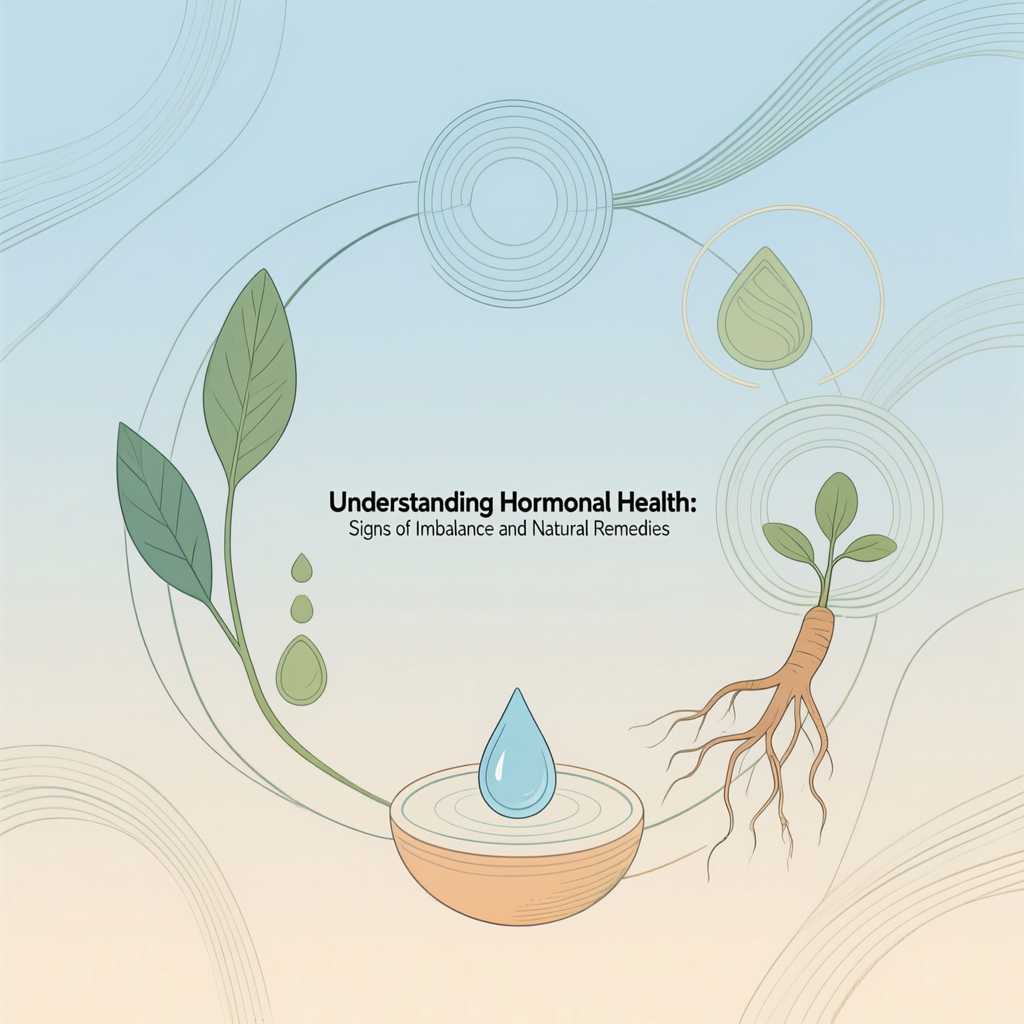
Hormonal health is increasingly becoming a focal point for British women in 2024, as more are seeking answers to fatigue, mood swings, weight gain, and skin issues that standard diets and workouts fail to resolve. Hormones — chemical messengers like oestrogen, progesterone, cortisol, and insulin — regulate nearly every function in the body, from metabolism and sleep to fertility and emotional well-being. When they fall out of balance, the effects can be far-reaching.

While hormonal fluctuations are a natural part of life — especially during menstruation, postpartum, and perimenopause — chronic imbalances are on the rise. According to a 2023 report by the Royal College of Obstetricians and Gynaecologists, over 60% of women in the UK aged 30–50 report symptoms linked to hormonal disruption, yet many go undiagnosed or mismanaged. The good news? Lifestyle changes, nutrition, and natural remedies can significantly support hormonal equilibrium.

Common Signs of Hormonal Imbalance

Recognising the symptoms is the first step toward recovery. Key indicators include:

  • Irregular or painful periods – Often linked to polycystic ovary syndrome (PCOS) or thyroid dysfunction.
  • Unexplained weight gain, especially around the abdomen – May signal insulin resistance or cortisol imbalance.
  • Persistent fatigue, even after adequate sleep – Can be tied to low progesterone or adrenal fatigue.
  • Mood swings, anxiety, or low mood – Fluctuations in oestrogen and serotonin can impact mental health.
  • Acne or skin changes – Particularly along the jawline, often due to elevated androgens.
  • Low libido – Common during perimenopause or high-stress periods.
  • Hair thinning or excess facial hair – May indicate PCOS or thyroid issues.

If symptoms persist, it’s important to consult a GP or endocrinologist. Blood tests can assess thyroid function, sex hormones, and insulin levels.

Natural Ways to Support Hormonal Balance

While medical treatment is essential for conditions like PCOS or hypothyroidism, many women find relief through integrative, lifestyle-based approaches.

1. Prioritise Blood Sugar Balance

Insulin resistance is a major contributor to hormonal disruption. To stabilise blood sugar:

  • Eat balanced meals with protein, healthy fats, and fibre at every meal.
  • Avoid sugary snacks and refined carbs.
  • Choose complex carbohydrates like oats, quinoa, and sweet potatoes.
  • Consider adding apple cider vinegar before meals — studies show it can improve insulin sensitivity.

2. Support Liver Detoxification

The liver processes and eliminates excess hormones, especially oestrogen. Support it with:

  • Cruciferous vegetables like broccoli, kale, and Brussels sprouts, which contain diindolylmethane (DIM).
  • Staying hydrated and reducing alcohol intake.
  • Herbal teas such as dandelion root or milk thistle, traditionally used to support liver function.

3. Manage Stress

Chronic stress elevates cortisol, which can suppress progesterone and disrupt the menstrual cycle. Incorporate daily stress-reducing practices:

  • Mindfulness meditation or breathwork (even 5–10 minutes a day).
  • Yoga or gentle walking in nature.
  • Digital detox before bedtime to improve sleep quality.

4. Optimise Sleep

Poor sleep disrupts melatonin and cortisol rhythms, affecting reproductive hormones. Aim for 7–8 hours per night. Tips:

  • Keep a consistent sleep schedule.
  • Avoid screens one hour before bed.
  • Sleep in a cool, dark room.

Pages: 1 2

Advertising

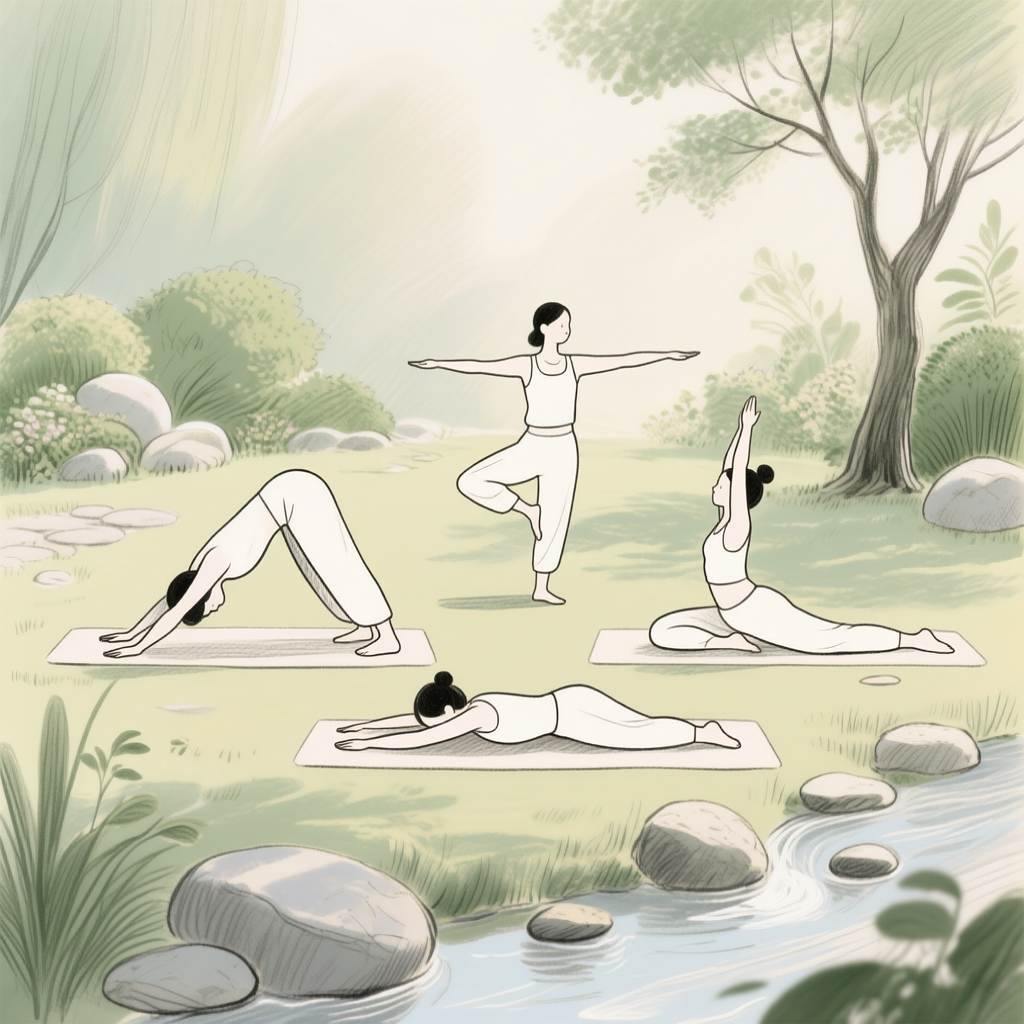
In 2024, yoga continues to grow in popularity across the UK, with more British women embracing the practice not just for fitness, but for mental well-being, stress relief, and improved flexibility. According to a recent Sport England report, over 1.8 million women in England have taken up yoga in the past year — many of them beginners seeking a gentle, accessible way to stay active while calming the mind. The beauty of yoga lies in its adaptability: no prior experience, expensive equipment, or perfect flexibility is required. All you need is a quiet space, a mat, and a willingness to begin.

For beginners, especially women over 30 balancing work, family, and self-care, a short daily yoga routine can make a significant difference in both physical and mental health. Studies from the University of Exeter show that just 15 minutes of yoga a day can reduce cortisol (the stress hormone), improve sleep quality, and enhance joint mobility.

Here are five foundational yoga poses — carefully selected for beginners — that promote flexibility, balance, and mental clarity. Each can be done at home in under 20 minutes.


1. Child’s Pose (Balasana)

Perfect for calming the nervous system
Kneel on your mat, sit back on your heels, and stretch your arms forward, lowering your chest toward the floor. Rest your forehead on the mat and breathe deeply.
Benefits: Releases tension in the back, shoulders, and hips; encourages mindfulness and relaxation. Ideal for starting or ending a session.
Tip: Place a cushion under your knees or forehead for extra support.


2. Cat-Cow Stretch (Marjaryasana-Bitilasana)

Gentle spine mobility for desk workers
Begin on all fours with wrists under shoulders and knees under hips. Inhale, drop your belly, lift your chest and gaze (Cow Pose). Exhale, round your spine, tuck your chin, and draw your belly in (Cat Pose). Flow between the two for 1–2 minutes.
Benefits: Increases spinal flexibility, relieves lower back stiffness, and synchronises breath with movement — a core principle of mindfulness.
Tip: Move slowly and focus on your breath to enhance mental focus.


3. Downward-Facing Dog (Adho Mukha Svanasana)

A full-body stretch that builds strength and awareness
From hands and knees, tuck your toes, lift your hips, and straighten your legs to form an inverted “V” shape. Keep your knees slightly bent if needed, and press your hands firmly into the mat.
Benefits: Stretches hamstrings, calves, and shoulders; improves circulation to the brain, which can boost mental clarity.
Tip: Pedal your feet gently to warm up tight calves.


4. Standing Forward Bend (Uttanasana)

Releases tension and encourages introspection
Stand with feet hip-width apart, exhale, and hinge at the hips to fold forward. Let your head hang heavy and hold your elbows. Bend your knees as much as needed.
Benefits: Calms the mind, stretches the back of the legs, and gently massages internal organs. Often used in yoga for anxiety relief.
Tip: Shake your head “yes” and “no” at the bottom to release neck tension.


Pages: 1 2

Advertising

Intermittent fasting (IF) has been one of the most talked-about wellness trends of the past decade — and in 2024, it remains a popular choice for British women seeking weight management, improved energy, and long-term health benefits. From the 16:8 method to time-restricted eating, many women over 30 are turning to fasting as a way to reset their metabolism and reclaim control over their health. But is it truly effective — and safe — for this age group? Experts say the answer is nuanced, depending on lifestyle, hormones, and individual goals.

Intermittent fasting isn’t a diet but an eating pattern that cycles between periods of eating and fasting. The most common approach, the 16:8 method, involves eating within an 8-hour window (e.g., 10 a.m. to 6 p.m.) and fasting for the remaining 16 hours. Other variations include the 5:2 diet (eating normally for five days, restricting to 500–600 calories on two non-consecutive days) and occasional 24-hour fasts.

For women over 30, hormonal changes begin to influence metabolism and fat storage. Slower thyroid function, declining oestrogen levels, and increased insulin resistance — especially after 35 — can make weight management more challenging. Some studies suggest that IF may help by improving insulin sensitivity, reducing inflammation, and supporting cellular repair through a process called autophagy. A 2023 review published in The British Journal of Nutrition found that time-restricted eating led to modest weight loss (an average of 3–5% body weight over 12 weeks) and improved blood sugar control in middle-aged adults.

However, experts caution that women may respond differently than men. “Women’s bodies are more sensitive to energy restriction due to hormonal fluctuations,” explains Dr. Helen Reeves, a metabolic health specialist at the London Women’s Clinic. “Aggressive fasting can disrupt cortisol and leptin levels, leading to increased stress, sleep issues, or even menstrual irregularities.”

This is especially relevant for women in perimenopause, which can begin as early as the late 30s. During this phase, erratic hormone levels make metabolic stability harder to maintain. Some women report improved energy and reduced bloating with mild IF, while others experience worsened fatigue, hair loss, or mood swings.

So, how can women over 30 approach intermittent fasting safely?

Start gently.
Begin with a 12-hour fast (e.g., 7 p.m. to 7 a.m.) and gradually extend the window if it feels comfortable. Avoid jumping into 18- or 20-hour fasts without medical guidance.

Prioritise nutrient-dense meals.
When you do eat, focus on protein, healthy fats, fibre, and complex carbs. A breakfast of eggs, avocado, and wholegrain toast is far more stabilising than a sugary cereal. Skipping meals shouldn’t mean skipping nutrition.

Listen to your body.
If you feel dizzy, irritable, or experience disrupted sleep or periods, it’s a sign to stop. IF is not recommended for those with a history of disordered eating, pregnancy, or certain medical conditions.

Pages: 1 2

Advertising