[REQ_ERR: 401] [KTrafficClient] Something is wrong. Enable debug mode to see the reason. Christian Lloyd – Page 3 – rhombrispe.com
Home Author
Author

Christian Lloyd

Advertising

In today’s fast-paced world, stress has become an almost routine part of daily life — especially for women balancing work, family, and personal goals. But in 2024, a growing number of British women are turning to mindful living as a practical, science-backed way to reclaim calm, improve mental well-being, and find joy in the everyday. Far from being just a wellness buzzword, mindfulness is now recognised by the NHS and mental health professionals as an effective tool for reducing anxiety and boosting emotional resilience.

Mindful living isn’t about hours of meditation or escaping reality. It’s about cultivating awareness in simple, everyday moments — drinking tea, walking to work, or even doing the dishes — with full presence and without judgment. According to a 2023 study by the Mental Health Foundation, 68% of UK adults who practice mindfulness report lower stress levels and improved sleep quality.

So, what does mindful living look like in practice? Here are five simple, evidence-based habits that can be seamlessly woven into a busy British lifestyle.

1. Start Your Day with Intention, Not Your Phone

Instead of reaching for your phone the moment you wake up, try a 5-minute morning pause. Sit up in bed, take three deep breaths, and set a positive intention for the day — such as “I will stay present during conversations” or “I will be kind to myself.” This small act helps shift your mindset from reactive to intentional. A University of Oxford study found that participants who avoided screens for the first 30 minutes of the day reported higher focus and lower anxiety levels.

2. Practice Mindful Walking

Whether you’re commuting to work or walking the dog, turn your stroll into a mindfulness exercise. Focus on the sensation of your feet touching the ground, the rhythm of your breath, and the sounds around you. Notice the colour of the sky, the texture of tree bark, or the smell of rain on pavement. This practice, known as grounding, helps anchor you in the present and reduces rumination. In London, “mindful walking” groups are now offered in parks like Hampstead Heath and Richmond Park, supported by local wellbeing charities.

3. Eat One Meal a Day Without Distractions

In a culture of multitasking, eating while scrolling or working is common — but it can lead to overeating and reduced enjoyment. Choose one meal — breakfast, lunch, or dinner — to eat in silence or with light conversation, focusing fully on the taste, texture, and aroma of your food. Research from King’s College London shows that mindful eating improves digestion and helps regulate appetite.
Pages: 1 2

Advertising

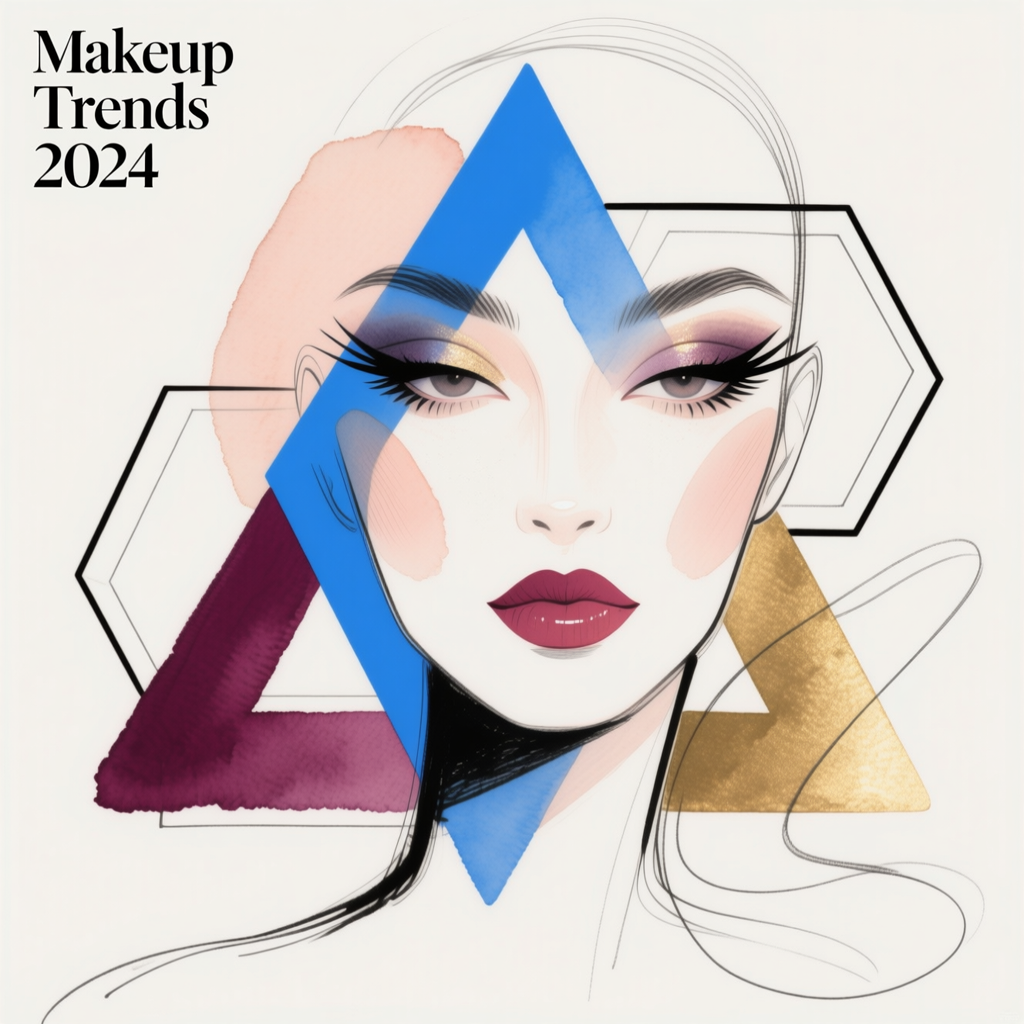
In 2024, British beauty is embracing a powerful duality: the serene elegance of “no-makeup” makeup and the bold self-expression of dramatic eyeliner. This year’s trends reflect a shift towards individuality, skin-first routines, and versatile looks that transition seamlessly from day to night. Influenced by London Fashion Week, social media, and a growing demand for clean, inclusive beauty, these styles are redefining what it means to feel polished — whether you’re wearing full glam or barely a trace.

The Rise of ‘Skinimalism’

At one end of the spectrum, skinimalism continues to dominate. This trend — a blend of “skin” and “minimalism” — prioritises healthy, glowing complexions over heavy coverage. British women are opting for lightweight formulas that enhance, not mask, their natural features. Think sheer tinted moisturisers, cream blushes, and glossy brows.

Brands like Charlotte Tilbury, NARS, and Glossier have expanded their “your skin but better” ranges, while UK high-street favourite E.l.f. Cosmetics launched its Skin Gloss Hydrating Tint earlier this year, praised for its dewy finish and affordable price point. “It’s about looking rested, radiant, and real,” says London-based makeup artist Jess Thompson. “The goal is to have people ask, ‘Did you get a facial?’ not ‘What foundation are you wearing?’”

Prep is key. A smooth canvas starts with a consistent skincare routine — hydrating serums, facial oils, and SPF are non-negotiable. Many are also using facial massage tools like Gua Sha to reduce puffiness and boost circulation for a natural flush.

Clean Brows and Glossy Lids

Eyes are kept soft and fresh with brushed-up brows and hydrated lids. Clear or tinted brow gels define shape without stiffness, while sheer washes of colour — think champagne, rose, or taupe — add subtle dimension. Clinique and Bobbi Brown have introduced sheer cream shadows in single pots, perfect for a one-tap pop of colour.

Lip trends follow suit: glossy finishes are in, matte is out. Clear lip oils with a hint of tint — like Dior Lip Glow Oil and Maybelline Lifter Gloss — are flying off shelves at Boots and Superdrug. “Gloss adds instant brightness and youthfulness,” says beauty editor Lucy Chen of Stellar Magazine.

The Bold Eyeliner Revival

On the flip side, dramatic eyeliner is making a fierce comeback — and it’s not just for evenings. In 2024, eyeliner is expressive, architectural, and unapologetically bold. From sharp wings to graphic double lines and even floating crease lines, British women are using liner as a form of art.

Liquid liners with ultra-fine brushes, like KVD Vegan Beauty Tattoo Liner and NYX Epic Ink Liner, are top sellers. But gel pots and pencils are also popular for their precision and long wear. The trend gained momentum during London Fashion Week, where models at Simone Rocha and Richard Quinn walked the runway with exaggerated, sculptural lines in black, cobalt, and even metallic silver.

“Eyeliner is the easiest way to make a statement without changing your whole look,” says influencer @londonbeautyedit, who has over 180K followers. “A bold wing with bare skin and slicked-back hair? That’s modern British glamour.”

Pages: 1 2

Advertising

For many British women with curly hair, the quest for defined, bouncy curls without frizz is a daily challenge. In 2024, as natural hair acceptance continues to grow, more women are embracing their curls — but they’re also demanding smarter, science-backed routines that work with their unique hair texture. From humidity in London to indoor heating in winter, environmental factors can easily disrupt curl formation. The good news? With the right techniques and products, frizz-free, well-defined curls are within reach.

Curly hair tends to be drier than straight hair because natural oils from the scalp struggle to travel down the spiral-shaped strands. This leads to dehydration, which in turn causes the hair cuticle to lift — creating frizz, especially in humid conditions. Additionally, British tap water, which is often hard (high in minerals), can build up on hair and weigh curls down, reducing definition.

So, how do you enhance curl pattern while keeping frizz at bay? It starts with a tailored routine focused on moisture, gentle handling, and protection.

1. Wash Less, Condition More

Overwashing strips natural oils and disrupts curl formation. Most curly-haired women benefit from washing just 1–2 times per week. Instead, use a co-wash (conditioner-only wash) between shampoos to refresh hair without drying it out. When you do shampoo, choose a sulphate-free formula like Garnier Ultra Doux Smoothing Coconut Milk Shampoo or SheaMoisture Coconut & Hibiscus Curl & Shine Shampoo, both widely available in UK supermarkets and pharmacies.

Always follow with a rich, silicone-free conditioner. Apply from mid-length to ends and leave on for at least 3 minutes. For deeper hydration, incorporate a weekly hair mask — look for ingredients like shea butter, argan oil, and glycerin.

2. The Curly Girl Method: A UK-Friendly Approach

Popularised by author Lorraine Massey, the Curly Girl (CG) Method avoids harsh detergents, silicones, and heat styling. While not all CG rules suit every curl type, many British women have found success by adapting the core principles:

  • Avoid sulphates and drying alcohols
  • Use “squish to condish” (squeezing conditioner up into curls to encourage clumping)
  • Dry hair with a microfibre towel or cotton T-shirt instead of a regular towel to reduce friction

3. Style with the Right Products

Defining curls starts in the shower. After conditioning, apply a leave-in conditioner to damp hair, followed by a curl-defining cream or gel. The “praying hands” technique — smoothing product down sections of hair with flat palms — helps align curls and reduce frizz. For tighter curls, try “raking” product in with fingers first, then scrunching.

UK-favourite brands like Moroccanoil Curl Control Line, OGX Curl Enhancing Mousse, and Not Your Mother’s Curl Talk offer affordable, effective options. For a high-performance choice, Briogeo Curl Charisma Rice Amino + Avocado Leave-In Defining Cream is dermatologist-recommended and sold at Sephora UK and Space NK.

Pages: 1 2

Advertising

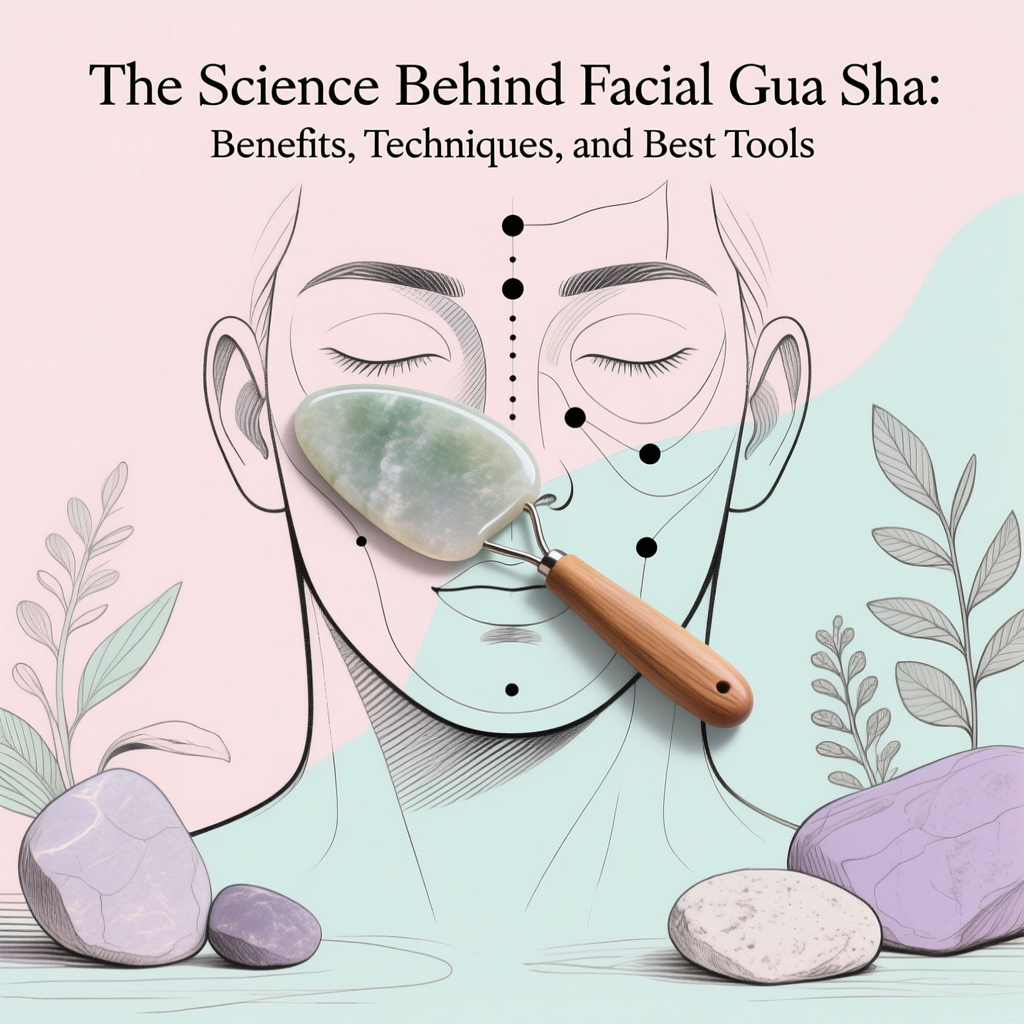
Once rooted in traditional Chinese medicine, facial Gua Sha has evolved into a global skincare phenomenon — and in 2024, it’s more than just a viral TikTok trend. British women are increasingly turning to this gentle, non-invasive technique to reduce puffiness, enhance radiance, and support long-term skin health. Backed by growing scientific interest and dermatologist endorsements, facial Gua Sha is emerging as a key ritual in the modern self-care routine.

Gua Sha (pronounced “gwah-shah”) means “to scrape” in Mandarin. Traditionally used on the body to relieve muscle tension and improve circulation, the facial version involves gently gliding a smooth, flat tool — typically made of jade, rose quartz, or bian stone — across the skin using upward and outward strokes. Unlike aggressive tools or invasive treatments, Gua Sha works with the skin’s natural physiology to promote lymphatic drainage, increase blood flow, and relax facial muscles.

The Science of Gua Sha

While research is still evolving, early studies suggest real benefits. A 2023 pilot study published in Complementary Therapies in Clinical Practice found that participants who used facial Gua Sha five times a week for four weeks reported reduced facial tension, improved skin elasticity, and a noticeable decrease in under-eye puffiness. Dermatologists attribute these results to enhanced microcirculation and lymphatic drainage — the body’s natural system for removing toxins and excess fluid.

“Facial Gua Sha can help reduce chronic puffiness caused by poor lymphatic flow, especially around the jawline and eyes,” explains Dr. Miriam López, a cosmetic dermatologist based in London. “It’s particularly beneficial for those who spend long hours at desks, travel frequently, or experience stress-related tension.”

Additionally, the ritual of Gua Sha may support the skin barrier. The gentle pressure stimulates collagen production over time, while the act of self-massage has been linked to reduced cortisol levels — a hormone associated with breakouts and premature ageing.

How to Use Gua Sha: A Step-by-Step Guide

For best results, perform Gua Sha 2–3 times per week on clean, moisturised skin. Use a facial oil or serum to reduce friction.

  1. Prepare Your Skin
    Start with a clean face. Apply 3–4 drops of a nourishing facial oil — such as squalane, rosehip, or jojoba — to ensure the tool glides smoothly.
  2. Warm the Tool
    Hold the Gua Sha stone in your palms for a few seconds. Warmth enhances comfort and circulation.
  3. Neck and Jawline
    Begin at the base of the neck, gliding upwards toward the ears. Repeat 3–5 times. Then, start at the collarbone and sweep along the jawline to stimulate lymph nodes.
  4. Cheeks and Mid-Face
    Starting from the nose, sweep the tool diagonally upward toward the temples. Repeat 3–5 times per side to reduce puffiness and lift the cheek area.
  5. Under-Eye and Brow
    Use the smaller end of the tool. Gently sweep from the inner corner of the eye outward along the orbital bone. Avoid pressing too hard — the skin here is delicate.
  6. Forehead
    Start in the centre of the forehead and glide outward toward the hairline. Then, move from the brow line up to the scalp to release tension.

Always use light to medium pressure — Gua Sha should never cause redness or pain. Finish by pressing fingertips gently along the jaw and temples to further stimulate drainage.

Pages: 1 2

Advertising

For millions of British women, sensitive skin isn’t just a skincare concern — it’s a daily reality. Characterised by redness, stinging, dryness, or reactivity to products, sensitive skin affects up to 70% of the UK population, according to a 2023 report by the British Skin Foundation. With rising pollution levels, harsh weather, and over-exfoliation trends, skin sensitivity is on the rise — especially in urban areas like London and Manchester. The good news? A growing number of dermatologist-backed, science-driven solutions are making it easier than ever to build a gentle, effective routine.

Sensitive skin occurs when the skin’s natural barrier is compromised, allowing irritants, allergens, and moisture to pass through more easily. Triggers can include cold winds, central heating, stress, hormonal changes, and certain ingredients like alcohol, fragrance, sulphates, and essential oils. In 2024, the focus has shifted from aggressive treatments to skin barrier repair — a philosophy embraced by both dermatologists and clean beauty brands.

“The goal isn’t to strip or ‘fix’ the skin, but to strengthen and protect it,” says Dr. Aisha Patel, a consultant dermatologist at The London Skin Clinic. “A healthy barrier means less reactivity, better hydration, and fewer flare-ups.”

So, what does a successful routine for sensitive skin look like?

Step 1: Gentle Cleansing
Avoid foaming or gel cleansers with high pH levels, which can disrupt the skin’s acid mantle. Instead, opt for creamy, fragrance-free formulas with soothing ingredients like ceramides, oats, or niacinamide. UK brands like La Roche-Posay Toleriane, Aveeno Calm + Restore, and Eucerin Soothing Cleanser are dermatologist-recommended and widely available in pharmacies.

Step 2: Soothing Toners and Essences
Skip alcohol-based toners. Instead, use hydrating mists or lotions with thermal spring water, allantoin, or centella asiatica. La Roche-Posay’s Toleriane Ultra Soothing Lotion and Bioderma Sensibio Tonique are cult favourites for calming irritation after cleansing.

Step 3: Barrier-Repair Moisturisers
Look for creams rich in ceramides, cholesterol, and fatty acids — the three key components of the skin’s lipid barrier. CeraVe Moisturising Cream, developed with dermatologists, has become a staple in the UK for its simple, effective formula. For daytime, lighter options like Avene Tolerance Control Cream provide protection without heaviness.

Step 4: Sun Protection Without Irritation
Sunscreen is non-negotiable — UV exposure worsens sensitivity and can trigger conditions like rosacea. Choose mineral (physical) sunscreens with zinc oxide or titanium dioxide, which sit on the skin and are less likely to cause reactions. Ultrasun Face Mineral SPF 50 and La Roche-Posay Anthelios Ultra Cream are praised for their gentle, non-greasy formulas.

Pages: 1 2

Advertising

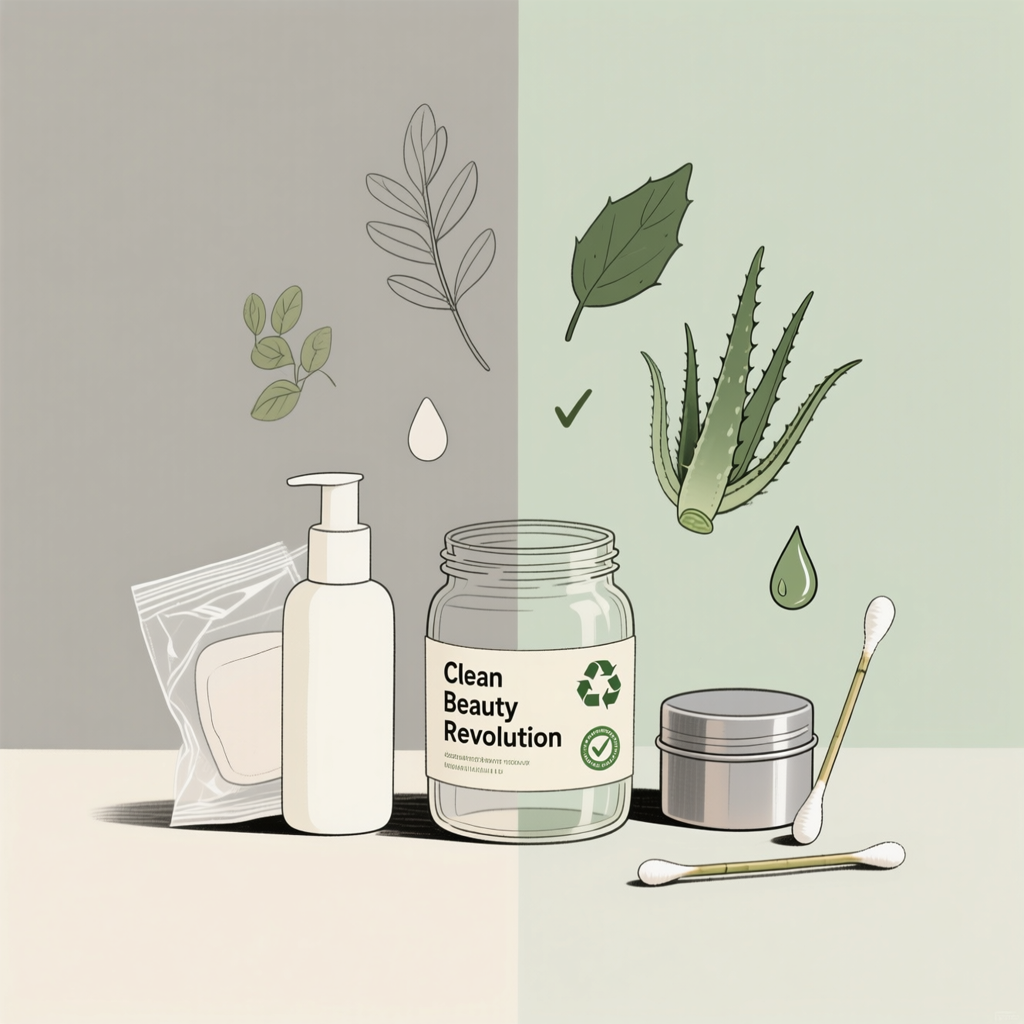
In 2024, the clean beauty movement is no longer a niche trend — it’s a mainstream shift reshaping how British women approach skincare and cosmetics. Driven by growing concerns over ingredient transparency, environmental impact, and long-term health, more consumers are demanding products that are not only effective but also safe, ethical, and sustainable. From supermarket shelves to luxury beauty counters, “clean” is the new standard.

But what exactly does clean beauty mean? At its core, it refers to products formulated without ingredients linked to health risks or environmental harm — such as parabens, phthalates, synthetic fragrances, mineral oil, and microplastics. Instead, clean beauty prioritises naturally derived, non-toxic, and often organic components, backed by science and transparency. It’s important to note that “clean” is not the same as “organic” or “natural” — some natural ingredients can be irritating, while some synthetic ones are perfectly safe. The focus is on intentional formulation and full ingredient disclosure.

The UK has become a hub for clean beauty innovation. Brands like REN Clean Skincare, Biossance, and BYBI have seen significant growth, with REN reporting a 40% increase in UK sales since 2022. Superdrug and Boots have also expanded their clean beauty ranges, introducing dedicated sections both in-store and online. In a 2023 YouGov poll, 58% of British women said they now check ingredient lists before purchasing beauty products — up from 32% in 2020.

One of the biggest drivers is awareness of hormone-disrupting chemicals. Ingredients like parabens and phthalates, commonly found in conventional cosmetics, have been linked to endocrine disruption and reproductive issues in scientific studies. “Your skin absorbs up to 60% of what you apply,” explains Dr. Naomi Patel, a dermatologist at the Harley Street Skin Clinic. “Choosing clean products isn’t just about beauty — it’s about reducing your body’s chemical load.”

Another key factor is sustainability. Clean beauty brands are leading the charge in eco-packaging, refill systems, and carbon-neutral production. Elate Cosmetics, for example, uses bamboo compacts and plant-based pencils, while Aether Beauty creates zero-waste eyeshadow palettes with biodegradable glitter. Even larger brands like L’Occitane have committed to 100% recyclable packaging by 2025.

So, how do you transition your routine to clean beauty — without overwhelming your budget or skincare balance?

Start with a swap, not a purge.
Replace products as they run out. Begin with items that stay on the skin longest, like moisturisers and serums, or those with high absorption rates, such as facial oils. Avoid ditching everything at once — some clean products may require an adjustment period.

Read labels carefully.
Look for certifications like COSMOS Organic, Leaping Bunny (cruelty-free), or EWG Verified. Apps like Beat the Microbead and Think Dirty scan barcodes to reveal hidden toxins. Avoid “fragrance” listed vaguely — it can hide dozens of unlisted chemicals.

Focus on multi-tasking products.
Simplify your routine with clean hybrids — a tinted moisturiser with SPF, a serum-mask combo, or a lip-and-cheek tint. This reduces both product waste and skin overload.

Pages: 1 2

Advertising

In 2024, British fashion influencers are redefining style with authenticity, inclusivity, and sustainability at the forefront. No longer just trend followers, these women are shaping the way UK audiences think about personal style, body positivity, and conscious consumption. From curated capsule wardrobes to bold streetwear, their content blends aspirational aesthetics with real-life practicality — making them essential follows for any fashion-savvy woman.

Here are the top 10 British fashion influencers making waves this season.

1. @stylemeclare (Clare Goldwin)
Based in London, Clare has built a loyal following of over 300,000 for her timeless, minimalist aesthetic. Known for her capsule wardrobe guides and sustainable brand recommendations, she champions slow fashion with a focus on quality over quantity. Her recent collaboration with Pepper on a “30-pieces-for-summer” collection sparked widespread media attention.

2. @lucywears (Lucy Williams)
A pioneer in the UK influencer space, Lucy continues to inspire with her effortlessly chic London looks. Her signature mix of high-street and designer pieces — think & Other Stories with vintage accessories — makes her style accessible. She recently launched a podcast, Style Edit, discussing mental health and fashion.

3. @thechicgeek (Marianna Hewitt, UK-born, London-based)
Though now globally recognised, Marianna’s British roots and polished aesthetic keep her relevant in the UK scene. Her content blends fashion, wellness, and interior design, appealing to women seeking a holistic lifestyle. Her 2024 partnership with John Lewis on a capsule wardrobe collection was a sell-out success.

4. @nadiamiah (Nadia Aboulhosn, UK-based)
A champion of size inclusivity, Nadia proves that style has no size limit. Her bold use of colour, prints, and tailoring challenges outdated norms. She recently collaborated with ASOS Curve on a summer collection that received praise for its fit and versatility.

5. @doyoutravel (Sara Harry)
While known for travel content, Sara’s fashion sense — especially her resort wear and transitional layering — has made her a style icon. Her reels on “how to pack 10 outfits in a carry-on” went viral earlier this year, resonating with busy British women on the go.

6. @amyjacksonstyle (Amy Jackson)
Amy’s fresh take on smart-casual dressing has earned her a spot on Glamour UK’s “Top 50 Influencers” list. Her love for tailored blazers, neutral palettes, and sustainable accessories makes her a go-to for modern professionals.

7. @theotherlucy (Lucy Coats)
Specialising in vintage and second-hand fashion, Lucy is at the forefront of the circular fashion movement. Her Depop hauls and “thrift flip” videos educate followers on sustainable shopping. She recently hosted a panel at London Fashion Week on the future of resale.

Pages: 1 2

Advertising

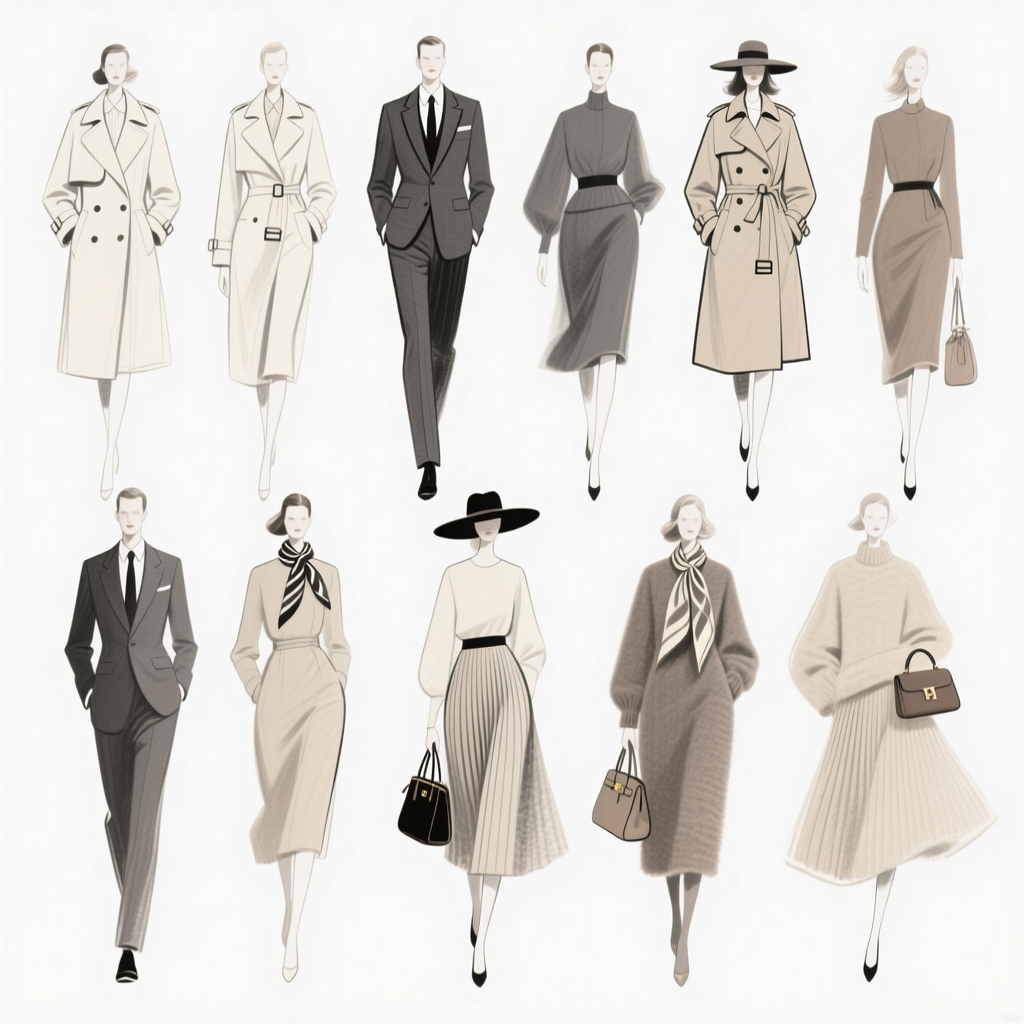
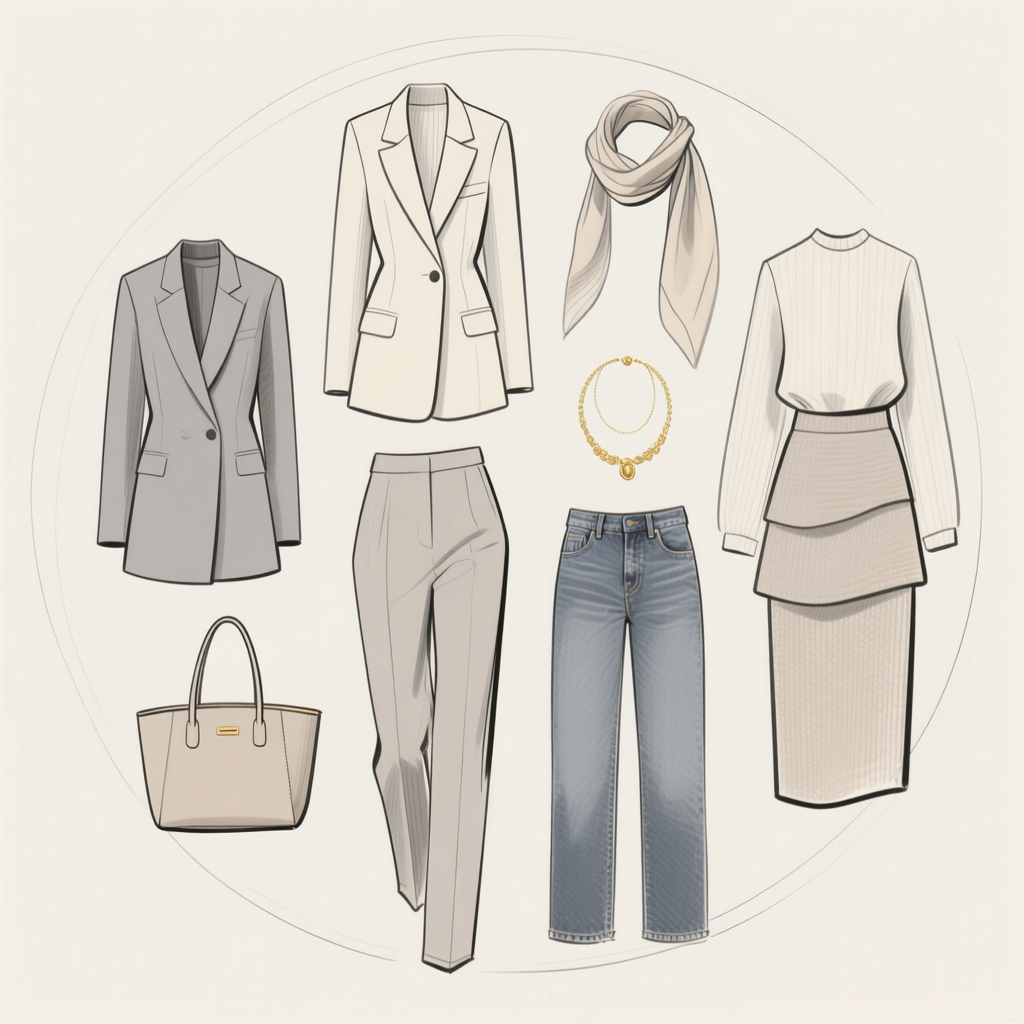
In a world of fast fashion and endless choice, the capsule wardrobe has emerged as a breath of fresh air — a minimalist, sustainable, and stylish solution for modern British women seeking simplicity without sacrificing elegance. Defined as a curated collection of essential, high-quality clothing items that can be mixed and matched effortlessly, the capsule wardrobe is more than a trend; it’s a lifestyle shift towards mindful consumption, time-saving routines, and long-term value.

Popularised by London stylist Susie Faux in the 1970s and revitalised by brands like Uniqlo, COS, and Everlane, the capsule concept is now experiencing a resurgence in 2024. A recent YouGov survey found that 44% of UK women aged 25–45 are actively simplifying their wardrobes, citing decision fatigue, clutter, and environmental concerns as key motivators. With the average British woman wearing only 20% of her wardrobe regularly, the appeal of a streamlined, purposeful collection has never been stronger.

So, what exactly goes into a modern capsule wardrobe? The standard model includes 30–40 pieces per season — a mix of tops, bottoms, dresses, outerwear, and shoes — all chosen for versatility, fit, and timeless appeal. The foundation lies in neutral tones: black, navy, beige, grey, and white form the backbone, allowing for easy coordination. These are then accented with 2–3 seasonal colours or textures, such as burgundy in autumn or soft lavender in spring.

Start with core essentials: a well-fitting white button-down shirt, a tailored blazer, dark wash jeans, a black midi dress, a cashmere jumper, and a trench coat. These pieces should be made from durable, natural fabrics like cotton, wool, linen, or TENCEL™ — materials that age well and are kinder to the planet. Brands like M&S Collection, John Lewis & Partners, and Pepper offer excellent quality basics with sustainability credentials increasingly transparent.

Layering is key to maximising a capsule. A silk camisole can be worn under a blazer for work or paired with high-waisted trousers for dinner. A classic trench can elevate jeans and a T-shirt or be layered over a dress for a polished look. Footwear should be equally adaptable: a pair of nude block heels, white leather sneakers, and ankle boots in a neutral shade can carry you through most occasions.

The beauty of a capsule wardrobe lies in its adaptability. For working mothers, it reduces morning stress and laundry overload. For professionals, it ensures a put-together appearance with minimal effort. And for eco-conscious consumers, it aligns with slow fashion principles — buying less, choosing well, and keeping clothes longer. According to the Environmental Audit Committee, extending the life of clothing by just nine months reduces its carbon, water, and waste footprint by 20–30%.

Pages: 1 2

Advertising

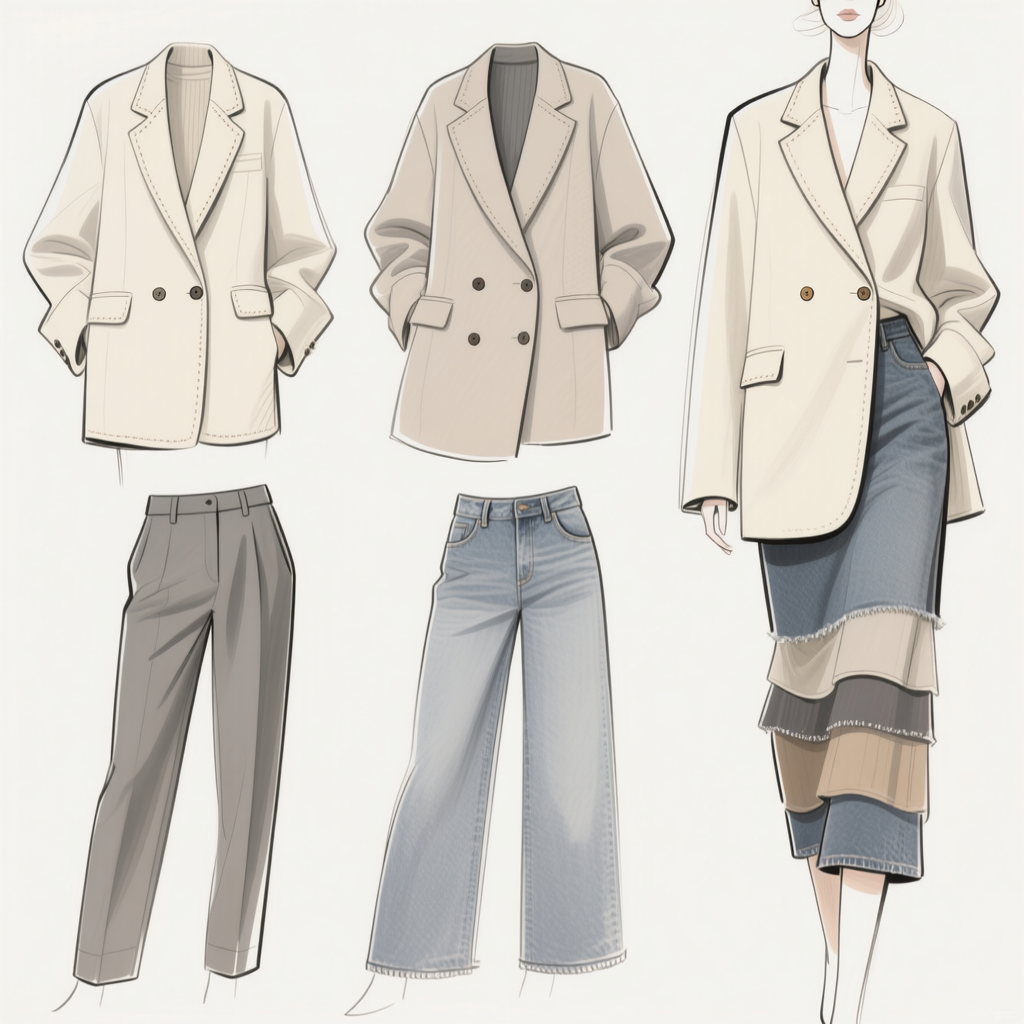
The oversized blazer has emerged as one of the most versatile and defining pieces of 2024’s fashion landscape — especially among British women seeking a blend of professionalism, comfort, and effortless style. No longer confined to the boardroom, this wardrobe staple is being reimagined for everyday wear, from weekend errands to coffee dates and casual office days. With its structured shoulders and relaxed silhouette, the oversized blazer offers a powerful yet approachable aesthetic that flatters a wide range of body types.

This year, fashion brands across the UK have embraced the trend with fresh interpretations. High-street favourites like Mango, Massimo Dutti, and & Other Stories are offering oversized blazers in earthy tones — think camel, oatmeal, and moss green — as well as bold checks and soft pastels. Meanwhile, sustainable labels such as Arket and Reformation are crafting them from eco-friendly wool blends and recycled fabrics, aligning with the growing demand for ethical fashion. According to Vogue UK, searches for “oversized blazer outfits” rose by 62% in early 2024, reflecting its status as a must-have item.

So, how do you style an oversized blazer for a polished yet practical everyday look? The key lies in balance. Because the blazer is intentionally loose, pairing it with more fitted or streamlined pieces prevents the outfit from looking shapeless.

For a smart-casual daytime ensemble, try layering your blazer over a simple turtleneck or fitted roll-neck jumper, paired with high-waisted tailored trousers or dark wash jeans. Tuck in the top slightly to define the waist and add structure. Finish with ankle boots or minimalist loafers for a refined touch. A neutral-toned blazer in beige or grey works especially well for this look, offering maximum versatility across seasons.

Dressing it down for weekend wear is equally achievable. Swap the turtleneck for a basic white T-shirt or a soft cotton vest, and pair the blazer with straight-leg or wide-leg jeans. Roll up the sleeves slightly to add a relaxed vibe, and opt for white sneakers or flat sandals to keep the look fresh and unfussy. Add a crossbody bag and gold hoops for a hint of elegance without overdoing it.

For those embracing the “girly minimalist” trend — a rising aesthetic in 2024 that blends soft femininity with clean lines — try wearing an oversized blazer over a slip dress or midi skirt. A blush pink or lilac blazer over a cream silk slip dress creates a sophisticated, romantic look perfect for brunch or a daytime event. Belt the blazer at the waist with a slim leather belt to accentuate your figure and add definition.

Pages: 1 2

Advertising

In 2024, vintage fashion is no longer just a niche trend — it’s a cultural movement reshaping the way British women approach style. From high-street thrift stores to curated online boutiques, pre-loved clothing has taken centre stage, driven by a powerful mix of environmental awareness, individuality, and economic sense. What was once seen as a budget alternative is now celebrated as a fashion-forward choice, with vintage pieces gracing runways, red carpets, and Instagram feeds alike.

The numbers speak for themselves. According to a 2023 report by Statista, the UK second-hand clothing market is projected to reach £4.5 billion by 2026, growing at nearly twice the rate of the broader fashion industry. Platforms like Vinted, Depop, and eBay have become go-to destinations, with Vinted alone reporting over 45 million active users across Europe — a 30% increase in UK users year-on-year. Young women, in particular, are leading the charge, with 68% of buyers aged 18–34 citing sustainability as their primary motivation for choosing vintage.

One of the biggest drivers behind this shift is climate consciousness. The fashion industry accounts for 10% of global carbon emissions — more than all international flights and maritime shipping combined. By opting for second-hand, consumers significantly reduce demand for new production, cutting water use, chemical pollution, and textile waste. “Buying one vintage garment instead of a new one saves an average of 5.5 kg of CO2,” explains Dr. Laura Bennett, a sustainable fashion researcher at the University of Leeds. “Multiply that by millions of purchases, and the impact is transformative.”

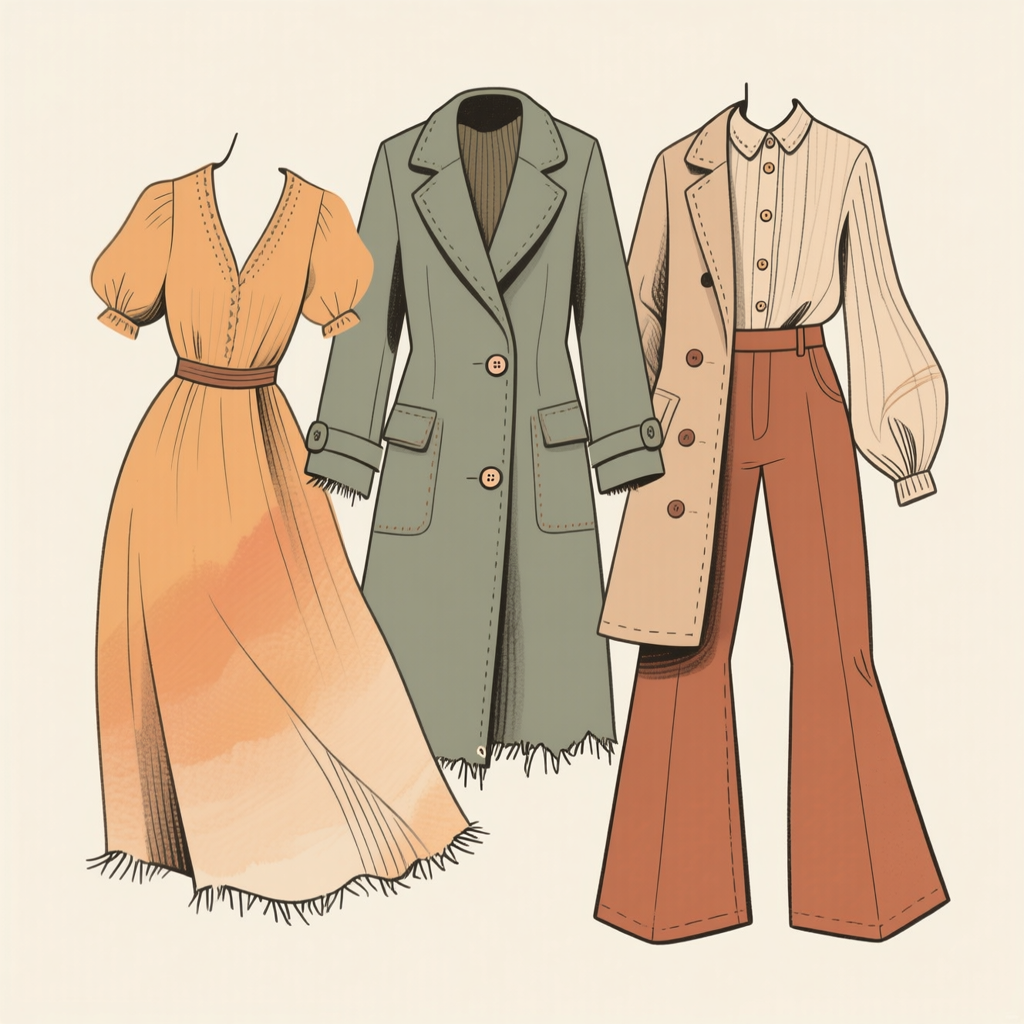
Beyond ethics, vintage offers something fast fashion cannot: uniqueness. In an age of algorithm-driven trends and mass-produced styles, wearing vintage allows women to express their identity. Whether it’s a 1970s floral midi dress, a 1990s denim jacket, or a tailored 1950s coat, each piece carries history and character. “I love that I won’t walk into a room and see someone else wearing the same outfit,” says Sophie Reynolds, a 29-year-old teacher from Bristol who sources 80% of her wardrobe from charity shops and online resale. “Vintage feels personal.”

The influence of celebrities and influencers has also played a key role. Stars like Florence Pugh, Dua Lipa, and Emma Corrin regularly wear archival pieces on the red carpet, often styled by sustainability-focused stylists. Social media accounts such as @vintage.vixen and @thelondonvintageco now boast hundreds of thousands of followers, showcasing how vintage can be modern, chic, and wearable for everyday life.

Pages: 1 2

Advertising